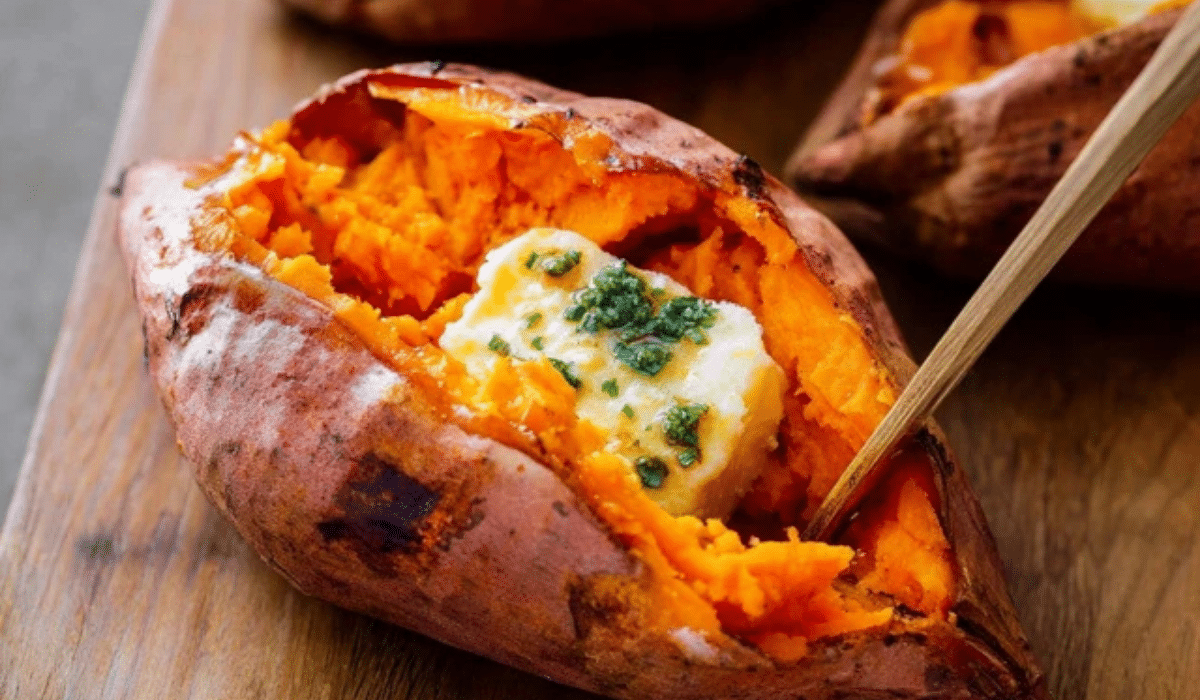
Foolproof Baked Sweet Potato: Achieve Creamy Centers & Crispy Skin
There's something uniquely satisfying about a perfectly baked sweet potato. It’s a dish that feels both comforting and remarkably wholesome, yet often overlooked as a culinary marvel. Imagine slicing into a sweet potato that yields effortlessly, revealing a fluffy, steamy, caramelized interior that practically melts in your mouth, perfectly contrasted by a subtly crispy, seasoned skin. This isn't just a dream – it's an achievable reality with a few simple, foolproof techniques. While it might seem like a humble side dish, mastering the
baked sweet potato elevates it to a star, whether it’s the centerpiece of a light meal or a healthy, flavorful snack. Forget wet, sad skins and unevenly cooked middles; we’re about to unlock the secrets to a consistently delicious outcome, every single time.
Choosing Your Sweet Potatoes Wisely for Baking Success
The journey to a perfect
baked sweet potato begins not in the kitchen, but in the produce aisle. Selecting the right sweet potatoes sets the foundation for a successful bake, making your job significantly easier.
*
Firmness and Weight: Always opt for sweet potatoes that feel firm to the touch and surprisingly heavy for their size. This indicates good moisture content and freshness. Avoid any with soft spots, deep wrinkles, or blemishes that feel mushy when pressed. These imperfections can lead to uneven cooking and an undesirable texture. A healthy potato bakes evenly, ensuring that creamy consistency throughout.
*
Uniform Size: If you're planning to bake multiple sweet potatoes, try to select ones that are similar in size and shape. This is crucial for consistent cooking times. Imagine one potato finishing perfectly while another is still hard in the middle – a common frustration. Matching sizes ensures that all your sweet potatoes are ready to enjoy at the same time, turning dinner prep into a harmonious process rather than a race.
*
Size Matters (But Not Always How You Think): Don’t be fooled into thinking "bigger is always better." Smaller sweet potatoes can be incredibly sweet and bake relatively quickly, often achieving a delightful caramelization before the exterior has a chance to dry out. Giant sweet potatoes, while impressive, require more patience and a longer baking time. Their size can also make them prone to drying out if not monitored carefully. The key is to understand that timing is directly linked to the potato's dimensions, allowing you to adjust your expectations and cooking approach accordingly.
Ultimately, a quality sweet potato is the canvas for your culinary masterpiece. Take a moment to choose wisely, and you’ll be halfway to that irresistible creamy center and crispy skin.
The Crucial Prep Steps for Sweet Potato Perfection
Once you’ve selected your prime sweet potatoes, the magic truly begins with proper preparation. These often-overlooked steps are vital for achieving that coveted texture and flavor.
*
Wash, Dry, Then Dry Again (Seriously!)
Start by scrubbing your sweet potatoes thoroughly under cold running water. You don't need soap, just a stiff brush or your hands to remove any dirt, grit, or lingering pesticide residue. This is especially important if you plan to eat the skin, which we highly recommend for its nutritional value and flavor.
The most critical part? Drying them. And we mean *really* drying them. Pat them vigorously with a clean kitchen towel, then let them air dry for a few minutes if time permits. Any residual moisture on the skin will turn into steam in the oven, leading to a soggy, unappetizing exterior. A dry surface is the secret to a beautifully crispy, almost leathery skin that perfectly complements the soft interior. This allows the heat to directly interact with the potato surface, promoting crisping and caramelization rather than steaming.
*
Poke Holes (Yes, Do It!)
This step is non-negotiable. Using a fork, prick the sweet potatoes 6-8 times all around their surface. These small punctures act as steam vents. As the potato heats, moisture inside turns to steam, which needs an escape route. Without these vents, pressure can build up, potentially causing the potato to burst (a messy ordeal!), and more commonly, leading to an unevenly cooked interior and a less fluffy texture. You don't need to stab to the center – just pierce the skin cleanly to allow moisture to escape gradually.
*
Oil + Salt: Optional, But It Changes the Skin
For those who cherish a flavorful, crisp skin, a light application of oil and salt is a game-changer. Drizzle a tiny amount of high-heat oil (like avocado, grapeseed, or olive oil) onto your palms, then rub it gently all over the sweet potato skin. You're aiming for a thin, even sheen, not a greasy coating. This oil helps conduct heat, encourages browning, and contributes to that desirable crispness.
After oiling, sprinkle generously with coarse salt, such as kosher salt or flaky sea salt. The salt not only seasons the skin but also draws out moisture, further aiding in crisping and adding a fantastic savory counterpoint to the sweet interior. If you're not a fan of eating the skin, you can skip this step – your sweet potato will still be wonderfully creamy inside. However, for a truly elevated
baked sweet potato experience, we highly recommend trying it.
The Foolproof Baking Method for Ultimate Creaminess
Now that your sweet potatoes are perfectly prepped, it's time for the main event: the bake. This method prioritizes even cooking and allows for that beautiful internal caramelization and external crispness without constant supervision.
*
Best Oven Setup: Bake on the Rack, Catch Drips Below
The most effective way to bake a sweet potato is directly on the oven rack. This allows for optimal air circulation around the entire potato, ensuring uniform cooking and helping the skin crisp up on all sides. To prevent any sticky, caramelized drips from making a mess on your oven floor, place a foil-lined or parchment-lined baking sheet on the rack directly below your sweet potatoes. This setup works wonders for moisture control and even heat distribution.
*
Temperature and Time: The Sweet Spot
Preheat your oven to 400°F (200°C). This temperature is hot enough to cook the sweet potato relatively quickly and encourage caramelization without drying it out too much.
Baking time will vary significantly based on the size of your sweet potatoes:
*
Small sweet potatoes (approx. 6-8 oz): 40-50 minutes
*
Medium sweet potatoes (approx. 8-12 oz): 50-70 minutes
*
Large sweet potatoes (12 oz+): 70-90+ minutes
To test for doneness, gently squeeze the sweet potato with oven-mittened hands; it should feel soft and yielding. Alternatively, insert a fork or small knife into the thickest part – it should slide in with very little resistance. You might also notice a slight deflation and some syrupy liquid oozing from the poked holes, indicating a perfectly cooked, caramelized interior.
*
The Importance of Resting
Once baked, resist the urge to cut into your sweet potatoes immediately. Transfer them from the oven to a cutting board and let them rest for 5-10 minutes. This resting period allows the internal starches to fully convert to sugars, enhancing their natural sweetness, and helps the moisture and juices redistribute throughout the potato, resulting in an even creamier, more luxurious texture. Slice them open, fluff with a fork, and get ready to enjoy.
Beyond the Basics: Customizing Your Baked Sweet Potato
A perfectly baked sweet potato is delicious on its own, but its true versatility shines through with creative toppings and serving suggestions. It doesn't have to be boring; it's a fantastic canvas for both sweet and savory flavors, making it suitable for any meal or snack. For more ideas on flexible baking methods, check out our guide on
Easy Baked Sweet Potatoes: Oven or Air Fryer for a Healthy Snack.
*
Classic Sweet Pairings: For a delightful treat, split open your hot sweet potato and add a pat of butter, a drizzle of maple syrup or honey, a sprinkle of brown sugar, cinnamon, nutmeg, or even some chopped toasted pecans or walnuts. A dollop of Greek yogurt or a swirl of whipped cream can also transform it into a guilt-free dessert.
*
Savory Sensations: The savory possibilities are endless. Top with a spoonful of sour cream or Greek yogurt, fresh chives, and a grind of black pepper. Get more adventurous with a sprinkle of Parmesan cheese (as some prefer), homemade garlic butter, chili, black beans, corn salsa, guacamole, or even pulled pork or shredded chicken for a satisfying meal. It’s a wonderful base for healthy taco bowls or alongside your favorite roasted vegetables and protein.
*
Meal Integration: Beyond a simple snack, a baked sweet potato can anchor a meal. Serve it alongside grilled chicken or fish, use it as a base for loaded veggie bowls, or stuff it with hearty ingredients like lentil chili or curry. Its inherent sweetness and creamy texture make it a fantastic counterpoint to robust, savory flavors.
By treating the
baked sweet potato as a foundational ingredient, you unlock a world of culinary possibilities that are both healthy and incredibly satisfying.
Conclusion
Achieving that truly foolproof
baked sweet potato with a creamy, caramelized center and crispy, flavorful skin is not a culinary enigma. It's a straightforward process that hinges on attention to detail, from selecting the right produce to mastering a few key preparation and baking techniques. By choosing firm, uniformly sized potatoes, thoroughly drying the skin, creating steam vents, and optionally enhancing the exterior with oil and salt, you lay the groundwork for success. The oven rack setup at 400°F ensures even cooking, while proper testing for doneness and a crucial resting period guarantee a consistently perfect result. Whether enjoyed simply with butter and salt or loaded with an array of sweet or savory toppings, a perfectly baked sweet potato is a versatile, nutritious, and incredibly delicious dish that deserves a permanent spot in your cooking repertoire. For an even deeper dive into perfecting this kitchen staple, be sure to explore our comprehensive guide on
Bake Perfect Sweet Potatoes: Essential Tips for Creamy, Caramelized Results. Now, go forth and bake with confidence!