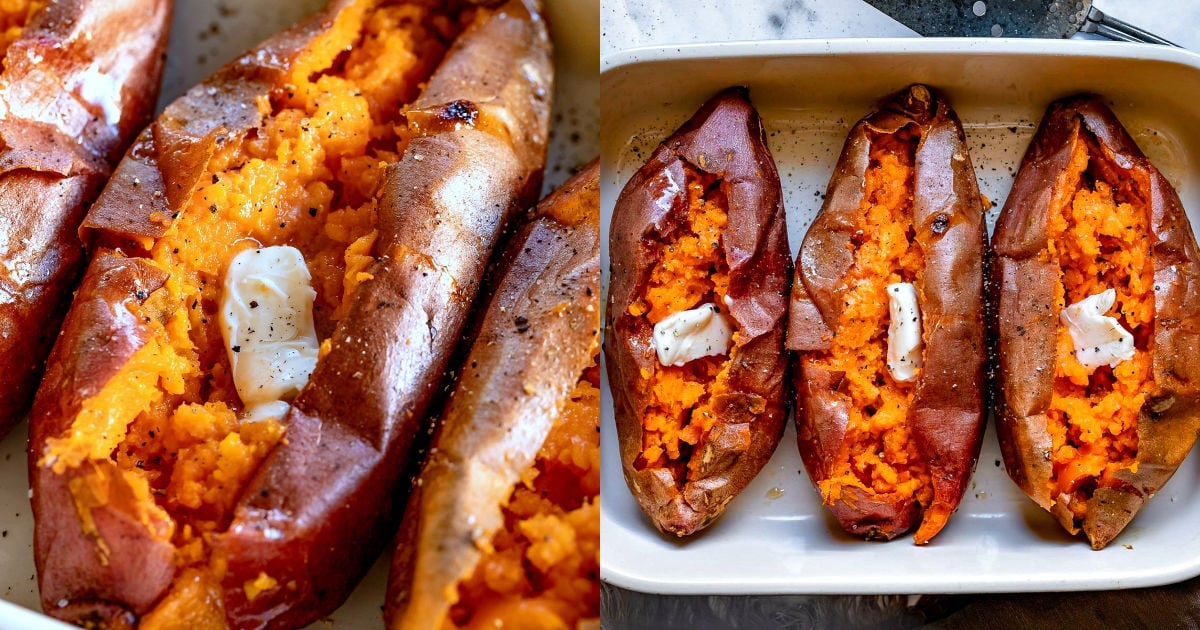
Bake Perfect Sweet Potatoes: Essential Tips for Creamy, Caramelized Results
The humble sweet potato possesses an incredible culinary duality: it’s a nutritional powerhouse, yet it can transform into a decadent, almost dessert-like experience when baked correctly. Achieving that coveted balance – a fluffy, steamy, and intensely creamy interior alongside a pleasantly caramelized exterior – might seem like a dark art, but it’s surprisingly within reach. It’s not about elaborate toppings or secret ingredients; it’s about understanding the fundamentals: moisture control, steady heat, and knowing precisely when your foolproof baked sweet potato has reached its peak.
Once you master these core principles, you'll unlock the secret to a perfect baked sweet potato that boasts deep, sugary caramelization and a melt-in-your-mouth texture, every single time. Let's dive into the essential tips that turn an ordinary spud into an extraordinary culinary delight.
The Foundation: Selecting and Prepping Your Sweet Potatoes
The journey to a perfect baked sweet potato begins long before it hits the oven. Your choices at the grocery store and the initial prep steps play a crucial role in the final outcome.
Choosing Sweet Potatoes That Bake Like a Dream
Think of sweet potato selection as setting the stage for success. Look for specimens that:
- Feel Firm and Heavy: A dense, firm potato indicates freshness and good moisture content. Avoid any with soft spots, deep wrinkles, or bruises that yield to the touch, as these can lead to uneven cooking and an unappealing texture.
- Have Smooth, Intact Skin: While minor imperfections are fine, steer clear of any with significant cuts, sprouts, or mold. The skin acts as a protective layer during baking.
- Are of Similar Size: If you're baking multiple sweet potatoes, try to select ones that are roughly the same size and thickness. This ensures they all finish cooking around the same time, preventing some from drying out while others are still underdone. Smaller sweet potatoes can often bake up incredibly sweet and tender, as their internal sugars caramelize beautifully before the exterior has a chance to dry out. Larger ones are fantastic too, but they demand more patience and baking time.
Wash, Dry, Then Dry Again: The Crucial Moisture Control Step
Once you've made your selections, preparation is key:
- Scrub Thoroughly: Under cool running water, scrub the sweet potatoes vigorously with a vegetable brush to remove any dirt or debris. There's no need for soap, especially if you plan to eat the skin (which is highly recommended for its nutrients and flavor!).
- Dry Meticulously: This is a step many overlook, but it's paramount. After scrubbing, dry each sweet potato thoroughly with a clean kitchen towel. Then, dry it again! Any residual moisture on the skin will turn to steam in the hot oven, resulting in a soggy, unappetizing skin rather than one that crisps and caramelizes.
Poke Holes (Yes, Do It!) and Consider the Oil & Salt Upgrade
These minor steps significantly impact the final texture and flavor:
- Ventilation is Key: Using a fork, prick each sweet potato 6-8 times across its surface. These small punctures act as steam vents, preventing pressure from building up inside the potato as it bakes. This helps moisture escape gradually, contributing to a drier, more pleasant skin and preventing the potato from potentially exploding (a rare but messy occurrence!).
- Oil and Salt for Superior Skin: For those who love to eat the skin – and why wouldn't you, when it's done right? – a light coating of oil and a sprinkle of salt is a game-changer. Rubbing the exterior with a thin sheen of a neutral oil (like olive or avocado oil) helps the skin crisp up and achieve that desirable caramelized texture. A generous sprinkle of coarse kosher salt not only seasons the skin but also draws out moisture, further aiding in crispness and enhancing the sweet potato's natural flavor. If you prefer to scoop out the interior and discard the skin, you can skip this step without compromising the creamy inside.
Mastering the Oven: Temperature, Time, and Technique
The oven is where the real magic happens. Understanding how to harness its heat is essential for transforming your prepared sweet potatoes into creamy, caramelized masterpieces.
The Ideal Oven Setup and Temperature
While various baking temperatures can work, a consistent mid-to-high heat range is typically ideal for sweet potatoes:
- Optimal Temperature: Preheat your oven to 400°F (200°C). This temperature is hot enough to promote caramelization of the natural sugars just beneath the skin while allowing the interior to slowly soften and become incredibly creamy. Baking at a lower temperature will take considerably longer and might result in a less caramelized exterior, while a much higher temperature could dry out the potato before the inside is fully tender.
- Rack Placement and Drip Protection: For the most even cooking, place your sweet potatoes directly on the oven rack. This allows hot air to circulate freely around all sides, preventing a soggy bottom. Crucially, place a foil-lined baking sheet on the rack below to catch any potential syrupy drips. Sweet potatoes can release sticky, caramelized sugars as they bake, and this setup saves you from a difficult oven cleanup.
Timing and How to Tell When It's Truly "Done"
Baking times will vary significantly based on the size of your sweet potatoes:
- General Guideline: Expect smaller sweet potatoes (around 6-8 ounces) to be ready in about 45-60 minutes, while larger ones (12 ounces or more) can take 75-90 minutes, or even longer.
- The Squeeze Test: The most reliable way to check for doneness is to gently squeeze the sweet potato with an oven-mitted hand. It should yield easily and feel soft all the way through. There should be no firm resistance.
- The Fork Test: Alternatively, insert a fork or small knife into the thickest part of the sweet potato. It should slide in with very little resistance. If you feel any firmness, continue baking. For an even more caramelized interior, some chefs recommend letting them bake just a little longer after they've reached full tenderness.
Beyond the Bake: Achieving Caramelization and Creaminess
The journey doesn't end when the timer dings. Understanding what happens inside the potato and how to maximize its natural potential will elevate your results.
Sweet potatoes are rich in natural sugars, and when subjected to steady heat, these sugars undergo a process called caramelization. This is distinct from the Maillard reaction (which browns proteins) but often occurs concurrently. As the sweet potato bakes, the starch converts to sugar, and those sugars, especially near the surface, begin to brown and develop complex, deeply flavorful notes. This is where the magic of a truly "caramelized" baked sweet potato comes from.
- Embrace the "Rest": Just like a steak, letting your baked sweet potato rest for 5-10 minutes after removing it from the oven allows the internal moisture to redistribute. This helps ensure a consistently creamy texture throughout.
- Split and Fluff: Once rested, carefully slice open the sweet potato lengthwise. Use a fork to gently fluff up the flesh. This creates more surface area for toppings and enhances the fluffy texture.
- Troubleshooting Dryness: If your sweet potato turns out dry, it's likely due to overcooking or choosing a potato that was already past its prime. Next time, monitor doneness more closely using the squeeze test.
Creative Toppings and Serving Ideas
A perfectly baked sweet potato is magnificent on its own, but its versatility truly shines when you consider the endless topping possibilities. From a quick, healthy snack to a hearty meal, a baked sweet potato can be customized to any craving. As mentioned in Easy Baked Sweet Potatoes: Oven or Air Fryer for a Healthy Snack, this simple ingredient is a must-have in any kitchen, offering both convenience and incredible flavor.
Sweet Indulgences:
- Classic Butter & Cinnamon: A pat of butter, a sprinkle of cinnamon, and a drizzle of maple syrup or brown sugar.
- Pecan & Marshmallow Delight: For a more decadent treat, add toasted pecans, mini marshmallows, and a quick broil at the end to caramelize the marshmallows.
- Nut Butter & Banana: A healthy yet satisfying option with a dollop of almond or peanut butter and sliced bananas.
Savory Sensations:
- Garlic Butter & Parmesan: Inspired by Cafe Delites, melt homemade garlic butter over the hot flesh and top with freshly grated Parmesan cheese for an irresistible umami kick. Add fresh chives for brightness.
- Chili & Cheese: Turn it into a comforting meal by loading it with your favorite chili, shredded cheddar, and a dollop of sour cream.
- Black Beans & Avocado: A vibrant, plant-based option with seasoned black beans, diced avocado, a squeeze of lime, and a sprinkle of cilantro.
- Pulled Pork/Chicken: A fantastic way to use leftovers, topping with savory pulled meats and a BBQ drizzle.
- Feta & Herbs: Crumbled feta cheese, fresh dill or parsley, and a drizzle of good olive oil.
Conclusion
The perfect baked sweet potato, with its fluffy, caramelized interior and pleasing skin, is more than just a side dish; it's a testament to how simple techniques can yield extraordinary results. By carefully selecting your potatoes, diligently prepping them, and mastering the oven's rhythm, you unlock a world of flavor and texture that is both comforting and incredibly satisfying. Whether you enjoy it unadorned, celebrate its natural sweetness, or load it with savory toppings, this humble root vegetable offers endless possibilities. Embrace these essential tips, and you'll find yourself reaching for that "perfect baked sweet potato" again and again, transforming weeknight meals and cozy evenings alike.
